Investing September 17, 2025

Investing in a Rental Property: A Smart Move for Financial Security

With the rising demand for housing, investing in rental properties has become increasingly popular – and for good reason.

Owning a long- or short-term rental property offers numerous benefits that can set you up for lasting financial security and stability.

Benefits of Long-Term Rentals

A long-term rental typically refers to leasing out your property for an extended period, often a year or more, to tenants who pay rent on a monthly basis. In many cases, the rent collected from tenants will exceed your expenses, which is just one of the rewards that this type of investment brings. You should also consider the following:

  • Reliable cash flow: One of the biggest advantages of long-term rentals is the predictable income. With tenants locked into long-term leases, you know exactly when and how much you’ll be paid each month.
  • Equity building: Over time, as tenants pay rent, you build equity in the property, which can be used for future investments or leveraged for other financial goals. Home values often appreciate over time, giving you the potential to sell for a profit years down the line.
  • Tenant stability: Unlike short-term rentals, where tenant turnover can be frequent, long-term rentals generally provide stability. With consistent tenants, your property can be occupied year-round, minimizing vacancy risks.

Benefits of Short-Term Rentals

Short-term rentals, often facilitated by platforms like Airbnb, involve renting your property or a portion of your property (such as a room or guest house) on a nightly or weekly basis. Like long-term rentals, this type of investment comes with its own set of rewards:

  • Higher rental rates: Since you’re renting your property out on a nightly basis, you can charge more for each stay, which often leads to higher income than long-term rentals. This is especially true for properties located in vacation hotspots or urban centers.
  • Flexibility and control: You have the ability to adjust your rental rates based on demand, seasonality or events to maximize your income.
  • Frequent cash flow: With Airbnb and other short-term rental platforms, you will receive payments more frequently (sometimes even on a weekly or daily basis). This can provide you with quicker access to cash than you’d have with long-term rental agreements.
  • Global reach: Platforms like Airbnb attract guests from all over the world. This is particularly beneficial for vacation properties or homes in tourist destinations.
  • Personal use of the property: If you’re renting out a portion of your property or using it for part of the year, short-term rentals give you the option to still enjoy your space while earning income when you’re not using it.

Tax Benefits and Deductions

Both long- and short-term rental properties typically offer a variety of tax deductions, which can help offset your expenses. Depending on your location and local ordinances, these deductions generally include:

  • Mortgage interest: You can deduct the interest you pay on your property’s mortgage.
  • Property depreciation: The IRS allows you to depreciate the value of your rental property over time, reducing your taxable income.
  • Operating expenses: Maintenance, property management fees, utilities and insurance can often be deducted from your taxable income.
  • Travel expenses: If you travel to your rental property for management purposes, you may be able to deduct related travel costs.

Owning a rental property brings many benefits, whether you choose to accommodate long- or short-term tenants. If you’re looking for a reliable way to earn extra income and build financial security, investing in a rental property could be the smartest decision you ever make.

Home Buying September 17, 2025

A Buyer’s Checklist: Tour Homes Like a Pro

After reviewing online listings and narrowing down options with your real estate agent, you’re ready for the exciting part – touring a property!

Use this checklist to get the most out of touring a home and ensure that no detail gets overlooked during this critical step.

Pre-Visit: Do Your Homework

Before scheduling a visit, be clear about your budget and goals. In today’s competitive market, you’ll also want a preapproval letter from your lender. Next, research factors like property taxes and important area insights. It’s also helpful to review the online listing again and note any questions that are best addressed in person.

Be Prepared With a Toolkit

Use a notebook and your smartphone to record your impressions. It’s easy to forget details after you leave, especially if you’re touring a few homes. And don’t forget a flashlight, which comes in handy for inspecting dimly lit places like crawl spaces and attics.

First Impressions: Assessing the Exterior

Your tour starts the moment you arrive – as you take in the home’s curb appeal. The state of the yard and entryway can signal how well-maintained the house is overall. Are the roof and exterior in good condition? Are there cracks in the driveway? If so, consider if you have the budget for bigger ticket repairs like a new roof.

Inside the Home: Room by Room

You’re finally inside! It’s easy to get caught up in cosmetic elements and paint colors, but a thorough walk-through focuses on features that would be expensive to alter or repair:

Kitchen and Bathrooms: Check major appliances and fixtures. Turn on faucets to assess water pressure and drainage. Look for signs of heavy wear or leaks.

Bedrooms and Closets: Are the rooms large enough to accommodate your furnishings? Check the size of closets to see if they’ll meet your storage needs. Take note of flooring: Do you prefer carpet or hard flooring in bedrooms?

Basement and Attic: These spaces require extra attention during a tour since they may reveal water damage or structural issues.

Floors and Walls: Scan for cracks, stains or uneven surfaces, which could indicate foundation problems.

Beyond Basics: Use Your Senses

This is your chance to fully experience the place you may call home. Pay attention to small details to identify any red flags and determine if the home is truly a good fit.

Sight: Look for cosmetic repairs that may hide bigger problems like damaged walls or ceilings.

Sound: Take notice of noise from traffic or the neighborhood.

Smell: Check for musty odors, which could be a sign of mold, or overpowering air fresheners that might mask problems like pet odors.

Touch: Test windows, doors and light switches to be sure they’re functional.

Post-Visit: Consider Future Needs

Take stock of the pros and cons. If the property is a serious contender, plan to visit the neighborhood at different times of day to gauge traffic patterns. How move-in ready is the home? Does the layout work as is or would it require major renovations? Consider if the outdoor space meets your needs.

Keep your future plans in mind. If you’re expanding your family, are there enough bedrooms and bathrooms? Will you need a dedicated office space or first-floor bedroom? Planning ahead saves you from outgrowing a home too quickly. Finally, discuss your impressions with your agent, who can offer further insight and help you size up the property against others in the area.

Home tours are an essential step in the buying journey. Being prepared is key to ensuring you focus on the most critical aspects and get the most out of your tour.

Home Staging/Improvements September 17, 2025

Biophilic Design: The Hottest New Trend in Home Décor

Natural light, indoor plants, organic materials and outdoor views are key to biophilic design, enhancing the home’s décor while improving mental health.

A subtle, transformative shift is taking place in the world of home décor. Forget sleek, minimalist lines or industrial-chic finishes – today’s latest trend is all about bringing the outdoors in through biophilic design. Grounded in the idea that our physical and emotional health is intrinsically linked to nature, this style integrates a variety of organic elements to create a beautiful, serene environment.

Natural Light

Exposure to sunlight is one of the most important components of biophilic design. Large windows, skylights and open areas enhance the atmosphere and have been shown to reduce stress, anxiety and depression. Make your space bright and airy by replacing heavy curtains with breezy fabrics or light-filtering blinds and let the sun shine in!

Scenic Views

To feel a sense of freedom and connection with the world beyond your four walls, you should orient your furniture toward natural views, like a backyard garden, a park or a sweeping vista of mountains or forests. If windows are limited, incorporating landscape paintings or photography would be a good alternative.

Indoor Plants

Introducing greenery into your décor not only brings a welcome burst of color but also purifies the air and lifts the spirit. From hanging planters to indoor gardens, vibrant foliage gives life to most any room. If you don’t have a green thumb, consider easy-to-care-for succulents, ferns or snake plants. Herb gardens are a further option, offering culinary benefits while improving the ambience.

Organic Materials

Using materials that can be found in al fresco settings is another hallmark of this home décor trend. Think wooden furniture, stone countertops, bamboo flooring and wool rugs. These products are sustainable and tactile, helping to create an earthy vibe that is grounding and comforting. They also add visual interest and dimension.

Water Features

The calming sound of flowing water can help foster a peaceful environment – and you don’t have to spend a lot to enjoy the benefits. Aquatic pieces come in all shapes and sizes, ranging from table-top fountains to standing features that include stone or wood. If you work remotely, a water feature in your home office could even boost your productivity and focus.

Textures and Patterns

Nature is full of variety, from the roughness of stone to the intricacy of leaves to the symmetry of snowflakes. Biophilic style seeks to bring this diversity into the home with organically inspired throw pillows, lamps and wall hangings. Textile or fabric wallpaper made from grass cloth or bamboo is another eco-friendly option.

Biophilic design is more than just a fleeting fad – it’s a way of living that honors our connection to nature and its profound impact on our health and happiness. Whether you’re creating a cozy family space, a tranquil bedroom or a relaxing home office, this increasingly popular style offers the perfect balance of beauty, functionality and well-being.

Investing September 17, 2025

Investing with Intention: Women Prioritizing Price Over Location and Design

As we approach International Women’s Day, it’s a great time to reflect on the impact women are making across industries, and the housing market is no exception. A joint survey by Coldwell Banker Real Estate and the Women’s Choice Award found that when selecting a home to purchase, women are prioritizing price over other factors like location, design and size.

A Financially Driven Approach
By focusing on affordability and future financial gains, women are increasingly viewing homeownership as a strategic way to build wealth, rather than just a place to live. This shift reflects a growing emphasis on financial independence and making smart, long-term investments.

While price remains the top priority among all surveyed women across age groups, location consistently ranks second, with other priorities depending on life stage. For example:

  • 27% of women aged 18-29 and 33% of women aged 60 and older rank style and design as the top priority in their home purchase.
  • 37% of women aged 30-44 focus on the number of bedrooms and bathrooms in a home.
  • 14% of women aged 45-60 prioritize proximity to family when selecting a home.

This strategic mindset also extends to the luxury market. According to the latest Trend Report by Coldwell Banker Global Luxury, “she-elites” are becoming an increasingly powerful force in both purchasing and selling luxury properties. In fact, 95% of affluent buyers report that women either share decision-making power or take the lead in these transactions, highlighting their growing role as financial decision-makers and strategic investors in today’s housing market.

From Fixer-Upper to Dream Home
In addition to prioritizing price, many women are also open to homes that require minor renovations, showing a preference for smart spending over turnkey homes.

This trend holds true across all surveyed respondents across all age groups, with a combined 61% of women saying they’d be willing to take on minor renovations. Common updates include:

  • Applying a fresh coat of paint: Updating walls, cabinetry or trim with paint to enhance curb appeal and add a personalized touch, making it a simple yet impactful home refresh.
  • Adding new fixtures: Changing light fixtures, faucets and hardware to elevate the overall aesthetic of the home.
  • Upgrading flooring or wall tiles: Replacing old flooring or tiles with a more modern option to transform any space, improving both its appearance and functionality.

These changes can significantly enhance a home’s look and feel without breaking the bank. A fresh paint job typically costs between $350 to $850 per room, or $1,200 to $3,900 for an entire interior. The price of installing new fixtures can vary depending on the type of fixture, ceiling height and the complexity of the installation. For example, installing basic light fixtures can range from $100 to $700 while chandeliers or pendant lights can range from $220 to $1,750. While these updates come at a cost, they bring a personal and unique touch to any home.

Empowering Women’s Purchasing Decisions
It’s clear that women are making thoughtful, intentional decisions when it comes to investing in their future home. With price topping their list of priorities, women are increasingly viewing homeownership as an avenue to build wealth and an opportunity to make their house a home though personal touches and minor renovations.

You can explore the full survey results highlighting trends among women in the housing market here.

Home Buying September 17, 2025

Moving Tips for Families with Children with Special Needs

Moving with a child who has special needs can be challenging, but with the right planning, it can be a smooth transition. These expert tips will help your family navigate the process with confidence and ease.

The following is a guest post written by Chief of Organized Living & NorthStar Moving Company Co-Founder Laura McHolm

Moving can be a stressful and challenging experience for any family. When you have a child with special needs, the complexities of moving day can multiply. Whether it’s accommodating physical disabilities, sensory sensitivities or unique medical needs, addressing your child’s special needs during a move is crucial for a successful relocation. With help from the experts at Inclusion Matters by Shane’s Inspiration, we’ve gathered tips to help your family navigate the moving process with confidence and ease. These moving tips for families will ensure that every member of your family feels safe, supported and comfortable throughout the move.

Moving Tips for Families with Children with Special Needs:

1. Choose a Moving Company Experienced with Special Needs

Select a moving company familiar with the unique needs of families with children with disabilities to ensure they handle your move with the necessary sensitivity and care.

Choosing the right movers requires a bit of research. Start by looking for experienced movers with excellent client reviews, good reputations and notable awards. It’s essential that the movers demonstrate clear communication. They should also show a willingness to listen and the ability to tailor their services to your unique circumstances. Begin your search by consulting friends, family and community networks to gather recommendations for services in your area. Opt for a full service moving company like NorthStar Moving that can offer a wider range of services such as packing and storage. An experienced moving company will also be able to give you specific moving tips for families.

2. Plan Accessible Routes and Services

Work with your movers to plan a route and schedule that accommodates your child’s accessibility needs, including any specific stops or adjustments during the move

3. Use Professional Packing for Sensitive Items

Have your movers pack and label essential items like medical supplies, sensory tools, and comfort objects with extra care to ensure they remain accessible and undamaged.

4. Set Up Your Child’s Space First

Arrange for your movers to prioritize setting up your child’s bedroom or designated area immediately upon arrival to help them settle into their new environment quickly.

5. Communicate Special Equipment and Medical Needs

Inform your moving company about any specialized equipment or medical devices your child uses, so they can take the necessary precautions during transport.

6. Consider Temporary Storage for Immediate Needs

Utilize temporary storage solutions for items your child might need right away, such as therapy equipment or favorite comfort objects, to keep them within easy reach.

7. Prepare Your Child with a Visual Schedule

Create a visual schedule or social story about the move to help your child understand what to expect, reducing anxiety and providing a sense of control.

8. Maintain Routines and Consistency

As you prepare for the move, maintain your child’s regular routines and schedules as much as possible. This consistency can help ease the transition and reduce stress.

9. Involve Your Child in the Packing Process

Engage your child in packing their belongings, if they’re comfortable. Allow them to help pack their favorite items and make decisions about their new room, which can help them feel more involved and in control.

10. Plan for Comfort and Flexibility on Moving Day

Discuss any special considerations with your movers, such as the need for frequent breaks or flexibility to accommodate your child’s needs. Ensure you have a plan in place for their comfort and support during the move.

11. Schedule Pre-Move Visits or Virtual Tours

If possible, arrange for your child to visit the new home or take virtual tours to familiarize them with the new environment. This can help reduce anxiety and create a sense of anticipation.

12. Pack an Essential “Go-To” Bag for Your Child

Prepare a bag with all the essentials your child may need during the move. These may include medications, favorite toys, sensory tools and comfort items. Keep this bag easily accessible throughout the moving process.

There are many moving tips for families to consider, but packing a first night box with the essentials is crucial to making the first night in your new home comfortable. This box should include items like clean bedsheets, fresh pjs, toiletries, snacks and charges.

For long-distance moves, you will need to pack enough clothes and essentials to last until the moving truck arrives at the new house. These boxes or suitcases should travel with you in the car rather than the moving truck to ensure they are easily accessible. This careful preparation will help make the transition smoother and more comfortable for everyone involved.

13. Discuss the Move with Therapists and Support Providers

Inform your child’s therapists or support providers about the move and seek their advice on how to manage the transition. They may offer valuable insights and strategies for supporting your child during this period.

14. Create a Calming Space in the New Home

Plan to set up a calming, sensory-friendly space in your new home where your child can retreat and feel secure amid the chaos of unpacking and settling in.

15. Monitor and Address Adjustment Issues Promptly

After the move, keep an eye on how your child is adjusting and address any issues or concerns quickly. Stay in touch with your moving company if you need additional assistance or adjustments in the new home.

These 15 tips provide a solid starting point, but every child is unique, and your child’s specific needs may require additional considerations during a move.  Sean Lynam, a dedicated writer specializing in health, fitness, wellness and mental health suggests also taking steps before your move to stabilize the exterior of your new home by making pathways smoother and more secure with the right tools to reduce the risk of trips and falls, which is crucial for those with mobility challenges. He also recommends creating a checklist related both to your child’s special needs and the moving process. Adding specific tasks to your moving checklist like, getting your child’s medical records, filling up on prescriptions, sorting out their school documents, can ensure you don’t forget anything.

In summary

Moving with a child who has special needs presents unique challenges. With careful planning, moving can be a positive experience for the whole family. By selecting an experienced moving company, maintaining routines and involving your child in the process, you can help ease the transition and create a sense of stability during this significant change. Remember to communicate openly with your movers, therapists and support providers to ensure that every detail is addressed. With these tips, you will create a supportive and comfortable environment for your child.

Author:
Laura McHolm is a home organization, moving & storage expert and co-founder of NorthStar Moving Company. NorthStar Moving Company is an award winning, “A+” rated company, which specializes in providing eco-luxury moving and storage services.  www.northstarmoving.com

Home Selling September 17, 2025

The Ultimate Checklist for Selling Your Home

Selling your home requires careful planning that includes pre-listing preparation, competitive pricing, widescale marketing and skilled negotiation.

Are you ready to make a move? With the real estate market heating up, now may be the perfect time to list. As you embark on this exciting journey, remember that selling your home quickly for top dollar requires careful planning and preparation.

Declutter, Depersonalize and Deep Clean

Buyers want to envision themselves living in the space, so begin by removing personal items like family photos, knick-knacks and excess furniture to create an airy, open environment. Be sure to clean carpets, wash windows, scrub bathrooms and polish hardwood floors. Fix any leaky faucets, cracked tiles or chipped paint so the beauty of your home shines through.

Hire a Real Estate Agent

While you could sell your home on your own, working with a real estate agent can significantly ease your stress while simplifying the process. You should choose a professional with a proven track record – someone who understands the market and is well-versed in selling properties like yours. You might want to interview a few agents to find one who appreciates your needs, communicates regularly and has experience in your neighborhood.

Set the Right Price

Pricing your residence correctly is one of the most important aspects of selling. If you ask too much, you might scare off buyers; too little, and you risk leaving money on the table. Your agent will pull a list of comparable homes in your area to determine a competitive price that creates buzz and attracts the largest possible pool of buyers.

Market for Maximum Exposure

The vast majority of motivated buyers are searching online, so it’s crucial that your property appears across high-traffic websites and social media platforms. Your agent will arrange for quality photography and video to be used in both digital and print advertising, ensuring a positive impression and drawing potential buyers in. Open houses are another great way to generate wide-scale interest for a quick sale.

Negotiate Offers

Once offers start coming in, your agent will help you thoroughly review them. You want to consider the full terms of each offer, not just the price, and be prepared to counter-offer. Some buyers may ask for contingencies, such as credit for upgrades or repairs. Weigh these requests thoughtfully, as they may delay the sale. If an offer needs some adjusting, a skilled agent can navigate you through the process and find a mutually agreeable solution.

Prepare for Closing

Once you’ve accepted an offer, the buyer will likely schedule an inspection and appraisal. If any issues are revealed, your agent may have to renegotiate the terms and price. As these details are being ironed out, you can focus on putting your moving plan in place. Consider the timing of the closing date to ensure a smooth transition.

Seal the Deal

On closing day, you’ll meet with the buyer, the buyer’s agent and possibly the title company to finalize all terms. You’ll sign the final documents, and the buyer will transfer the funds. Once the paperwork is complete, the property officially changes ownership, and you can hand over the keys!

If you’re ready to list, you can start by contacting an agent to learn more about the market activity in your specific location. Selling your home is a big undertaking, but with a mapped-out strategy and expert guidance, you can achieve a successful, financially beneficial outcome.

Home Staging/Improvements September 17, 2025

Revitalize Your Home With 3D Art and Elements

Discover how 3D art, like sculptural wall panels and architectural elements, can add depth and texture to your home.

If your home feels static, you can rejuvenate it by adding dimension and texture with 3D art. From sculptural wall details to statement furniture to structural elements, you can create movement and interest, turning ordinary spaces into stunning, design-forward interior areas. Creating depth and a layered look is easier than you think.

The Magic of 3D Wall Art

Paint isn’t the only way to refresh your home – wall art that pops, like carved wood panels, metal sculptures or textured murals, can add visual intrigue. Modern bas-relief designs – where images are slightly raised from a flat surface – bring a refined, artistic touch without overwhelming the room. For a contemporary look, acrylic, resin or metal abstract wall sculptures make a bold statement. For a subtle touch, geometric wood panels or woven fiber art add a warm, natural effect. Consider placing these pieces above a sofa, behind a bed or in an entryway surrounded by wall sconces or picture lights to draw attention and create an eye-catching 3D art focal point.

Statement Furniture With Dimension

Introduce depth and character by bringing your furniture beyond the traditional finishes and opt for pieces with sculpted, layered or textural elements. A velvet channel-tufted sofa, a wave-patterned wood credenza or a coffee table with a rippling stone top instantly adds range. You could also consider including a curvy accent chair in a reading nook, a fluted console in an entryway or a tactile headboard in a bedroom. Go further with a soft glow from a table lamp or pendant lights to create a striking 3D art contrast.

Architectural 3D Elements

Architectural details can also completely change how a space feels. Wainscoting, coffered ceilings and panel molding add a sense of craftsmanship while providing a 3D perspective. For a sleek, modern look, fluted wall panels or slated wood partitions can subtly define spaces with a high-end designer look. Additionally, arched doorways, alcoves or curved built-in shelving bring fluidity with a softer touch, making long walls feel full of life. Complete the space with track lighting or recessed fixtures to cast intriguing shadows and enhance that pop.

Whether aiming for subtle sophistication or bold statement pieces, 3D art and elements in your home should complement the overall aesthetic. Mix cohesive color palettes and materials to create harmony – and transform your space from dull to dynamic in a breeze.


Home Staging/Improvements September 17, 2025

How Remote Work Has Changed the Real Estate Landscape

Explore how remote work is transforming home searches and design choices – blending multifunctional spaces and integrated smart technology.

The rise of remote work has reshaped home design and buyers’ needs, blurring the lines between professional and personal living. Beyond converting a corner of a room or integrating a designated office space, living areas are designed with intention and purpose. They have evolved into an integrated lifestyle that supports productivity and relaxation. Homeowners are blending a functional work hub with a place to unwind, creating a seamless daily rhythm of work-life balance.

Multifunctional Remote Work Areas

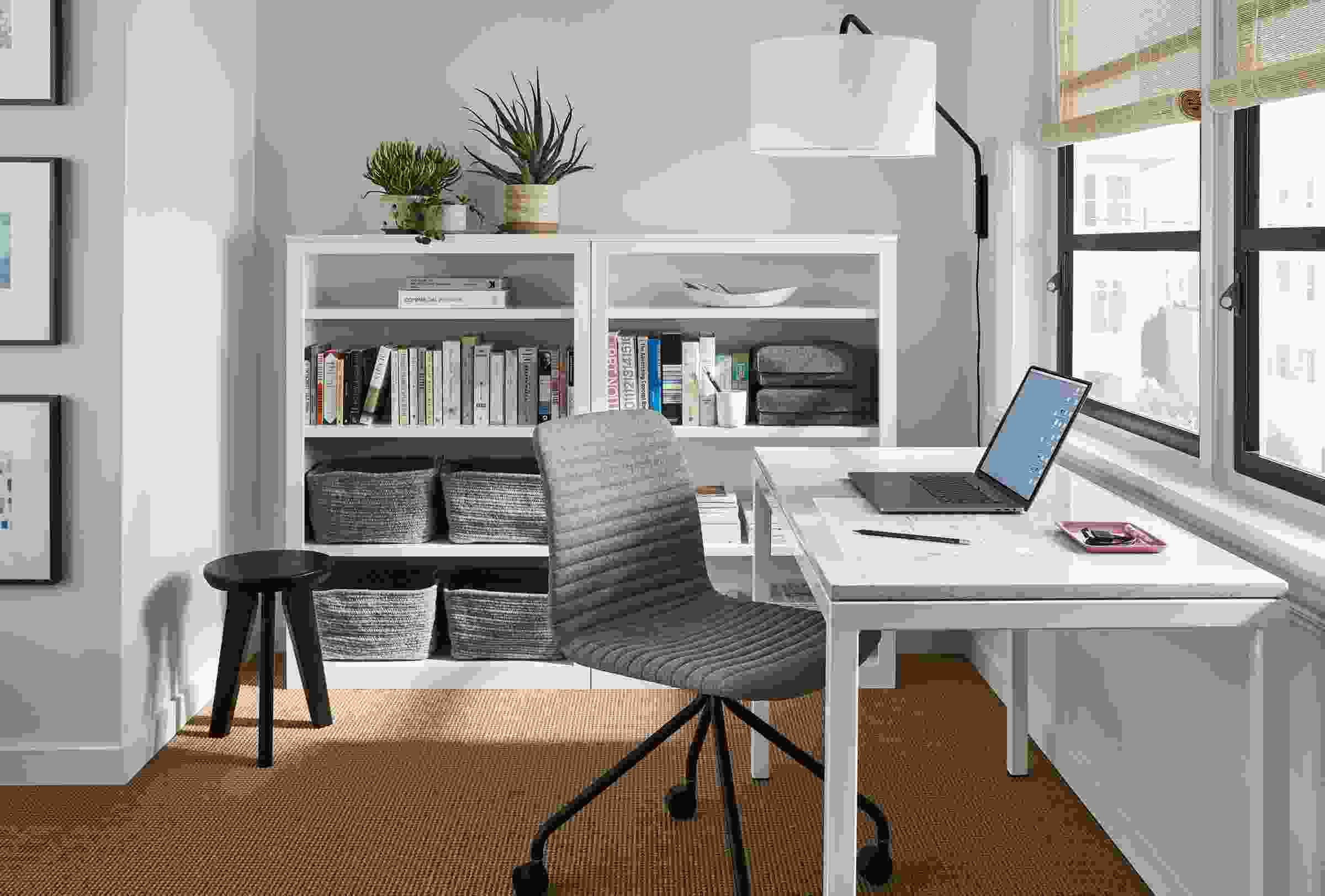
Outgrowing a simple desk and chair, remote workspaces are custom-designed environments that easily transition from work to play. Open living areas, dining rooms and kitchen islands are redesigned to support family activities and professional video calls. And homeowners are incorporating ergonomic furniture, wall-mounted monitors, advanced lighting systems, glass partitions and soundproofing to mesh home living with work productivity. Additionally, nature is making its way indoors through biophilic design. Lush plants, natural light and the quiet beauty of wood are transforming the home/remote environment.

Tech-Infused, Work-Home Amenities

Integrated smart home technology is a key feature in balancing remote work with home relaxation. And voice-activated assistants help manage calendars and smart lighting enables adjustments according to the time of day. Additionally, home automation systems that control temperature and window shades allow remote workers to customize their environments for maximum comfort. And home-work dwellers are syncing kitchen appliances to brew coffee according to meeting schedules while also programming them for personal needs, like when supplies are low. Homeowners are also investing in higher-speed internet and Wi-Fi systems to ensure smooth video calls – which also benefits their binge-watching time.

The Impact of Remote Work on Real Estate Market Trends

The work-life balance home design trend has changed the way people buy homes. Open layouts and adaptable rooms are in high demand. Home buyers value creating a home studio – a space that’s as functional as inspiring. And outdoor spaces are important for remote workers as they transform them into work-friendly environments, installing outdoor office pods to focus in a peaceful, natural setting. Homes with more flexible floor plans, integrated technology and communities with high-speed internet are the new attractive norm.

Remote work has shifted the focus of home living to optimization and well-being – and technology plays a pivotal role. A home is no longer only a place to live and rest – it’s a balanced sanctuary to work, play and thrive.

Home Staging/Improvements September 17, 2025

Kitchen Design Trends: Create a Welcoming, Functional Space

The latest in kitchen design incorporates organic shapes, sustainable materials, bold colors, smart features and retro elements.

As the saying goes, the kitchen is the heart of the home – where meals are made and memories are shared. It’s also a space where even small improvements can make a big impact. Whether you’re planning a complete overhaul or a few strategic updates, today’s trends offer many exciting possibilities.

Curved and Organic Shapes

Inspired by Italian design, this style moves away from rigid, angular lines to create a more fluid and harmonious vibe. Curved countertops and rounded cabinetry bring a welcoming, sculptural quality to the room. If you’d like an easier fix, you could incorporate subtle trim detail, spherically shaped light fixtures or a dining table that has soft edges and upholstered seats.

Sustainable and Natural Materials

Eco-conscious choices remain at the forefront of modern décor and can be integrated into most any home. Terracotta, recycled glass and sustainably sourced wood are not only environmentally friendly, but they also enhance the ambience with rich textures and earthy shades, whether in flooring, cabinetry or countertops.

Bold Color Schemes

Neutral tones are now taking a backseat to bold hues. Deep greens, navy blues and even dark gray and black add drama and originality, especially when complemented by contrasting backsplashes and vibrant accent pieces. Smaller changes such as colorful dishware or patterned window treatments can significantly spice up your kitchen’s look and feel.

Multifunctional Islands

Kitchen islands are evolving into multifunctional hubs. Incorporating built-in sinks, wine coolers, extra seating and more, these pieces serve as prep areas, dining spots and storage solutions, maximizing both space and utility. Non-traditionally shaped islands are coming on the scene as well, garnering visual interest with oblong or rounded surfaces – a possible solution for awkward floor plans.

Paneled Cabinetry

If you’re wishing to inject some depth and character, paneled cabinetry could be the answer. This design introduces texture in a subtle way, offering a sophisticated alternative to flat-front or Shaker styles. Clear or frosted glass panels can make smaller kitchens feel less crowded and would be ideal for showcasing decorative items and dishware.

Statement Backsplashes

Backsplashes are increasingly becoming focal points, with homeowners opting for cutting-edge patterns and vivid colors to infuse personality and visual interest into their kitchens. If you want to heighten the impact, consider running the tile all the way up to the ceiling. Just be sure that your backsplash complements rather than competes with your cabinetry.

Smart Features

The future is here with the integration of smart technology like voice-activated faucets, app-controlled appliances and intelligent lighting systems. These features streamline tasks and boost energy efficiency, making daily routines easier and more convenient.

Vintage and Retro Touches

Nostalgic elements are yet another way to fashion a unique space that is both welcoming and memorable. Retro color palettes, vintage-inspired appliances and classic fixtures add charm and character to most any design. You could also have fun with some eye-catching wallpaper – a perfect way to brighten up any dark corners.

If you’re thinking about giving your kitchen a refresh, today’s trends offer innovation and sustainability with plenty of opportunity for personal expression. They may not improve your cooking, but they can inspire you to create a gathering place that is both functional and stylish.


Home Buying September 17, 2025

Ready to Buy? See How Much Home You Can Afford in 7 Steps

To find out how much home you can afford, determine your budget, check your DTI, explore your loan options and work with a trusted real estate agent.

Buying a home is exciting, emotional and yes – a little intimidating, especially when you start thinking about finances. If you’re concerned about how much house you can actually afford, you’re not alone. The good news is that by taking the right steps now, you can start your search with confidence and clarity – and an eye on the future.

Step 1: Know Your Budget

As you get ready to start swiping through listings, you should first figure out what fits comfortably in your monthly spending plan. A common rule of thumb? Keep your total housing costs — mortgage, property taxes, insurance and HOA fees — under 28% of your gross monthly income. For example, if you make $7,000 a month before taxes, you’ll want to keep your monthly housing expenses to $1,960 or less.

Step 2: Check Your Debt-to-Income Ratio (DTI)

Your DTI is very important to lenders, telling them how much debt you’re currently juggling and how the purchase of a home will increase your expenses. A lower DTI not only makes you a more attractive buyer – it can also unlock better loan terms and lower interest rates. Ideally, your total monthly obligations (car payments, student loans, credit cards, etc.) should stay below 36% of your income.

Step 3: Plan Your Down Payment

The more you put down, the less you have to borrow, which means lower monthly payments and possibly not having to get private mortgage insurance (PMI). A 20% down payment is great if you can manage it, but many buyers go with 3-10%, especially with FHA or first-time buyer programs. And don’t forget closing costs – usually around 2-5% of the purchase price.

Step 4: Explore Your Loan Options

All mortgages are not created equal. From 30-year fixed to adjustable-rate loans, the type you choose plays a big role in how much property you can take on (and how much you’ll pay over time). Before you talk with your lender, do some research, come prepared and ask plenty of questions. You’ll want to learn if you’re eligible for any governmental programs, if your monthly requirement could change and/or what will happen if you ever have unexpected financial difficulties.

Step 5: Think Beyond the Numbers

The bank might say you can afford that dream home – but whether or not you should actually purchase it is another question. Be honest about what matters most to you in terms of lifestyle. Do you want to travel, save more or splurge on concert tickets? Then you should leave room in your budget for these activities. Also remember that once you move in, you’ll most likely want to buy furniture and other household items as well as upgrade with new paint or cabinetry. The cost of personalizing your new residence can quickly add up.

Step 6: Use a Mortgage Calculator

Before you start seriously house shopping, try experimenting with an online mortgage calculator. It will show you how changes in interest rates, home prices and loan terms impact your monthly payment. Zillow and realtor.com® offer easy-to-use tools that take a lot of the guesswork out of the budgeting process, allowing you to see results in a matter of seconds.

Step 7: Talk to the Pros

Every day, real estate professionals and mortgage lenders navigate their clients through their buying journey – so lean on their expertise. A good agent will tailor the search to your recommended price range and refer you to a lender who will explain your options and help you make the best decisions for your unique circumstances. You should also chat with friends and family who have recently bought a home and can give you some valuable firsthand advice.

Determining how much home you can afford isn’t just about cold hard numbers. It’s about finding a place where you can live well and sleep easy. With a clear plan, a trusted team and a little prep, you’ll be well on your way to finding a property you love without breaking the bank.